Security and Facilitation Go Hand in Hand
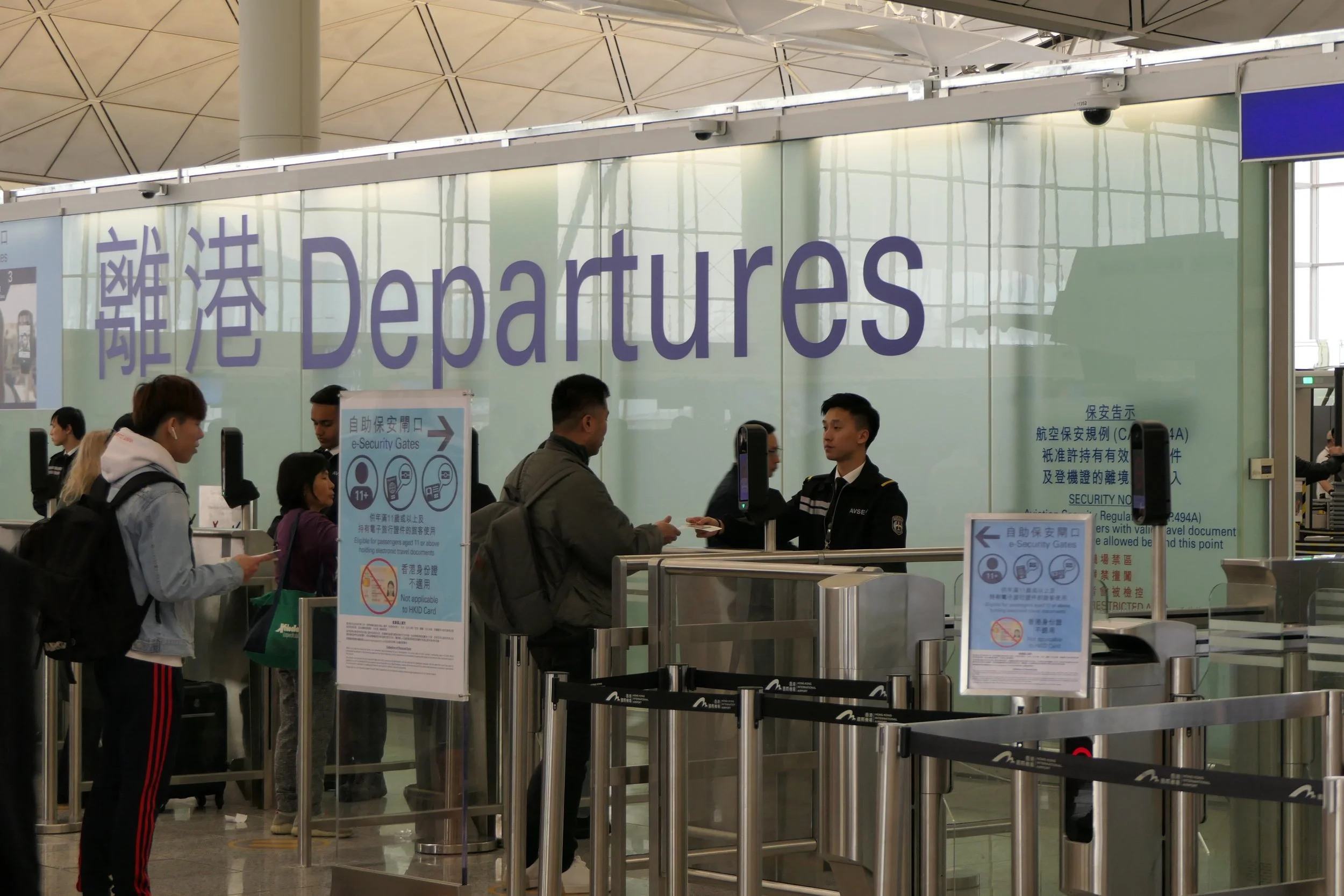
Airport passenger processing—check-in, security, and immigration—can make or break your trip. Some airports use technology and smart design to move quickly, while others create queues and stress.
The fastest lean heavily on automation, biometrics, and efficient layouts.
Hong Kong International Airport tops lists in 2025 - watch this passenger complete the process of check-in, security and immigration in under eight minutes.
Singapore Changi Airport processes some passengers through security and immigration in as little as 10 seconds using widespread automated lanes.
Other notable standouts include Taiwan Taoyuan, Zurich, Helsinki-Vantaa, and Seoul Incheon—all of which use advanced e-gates, priority lanes, and well-trained staff.
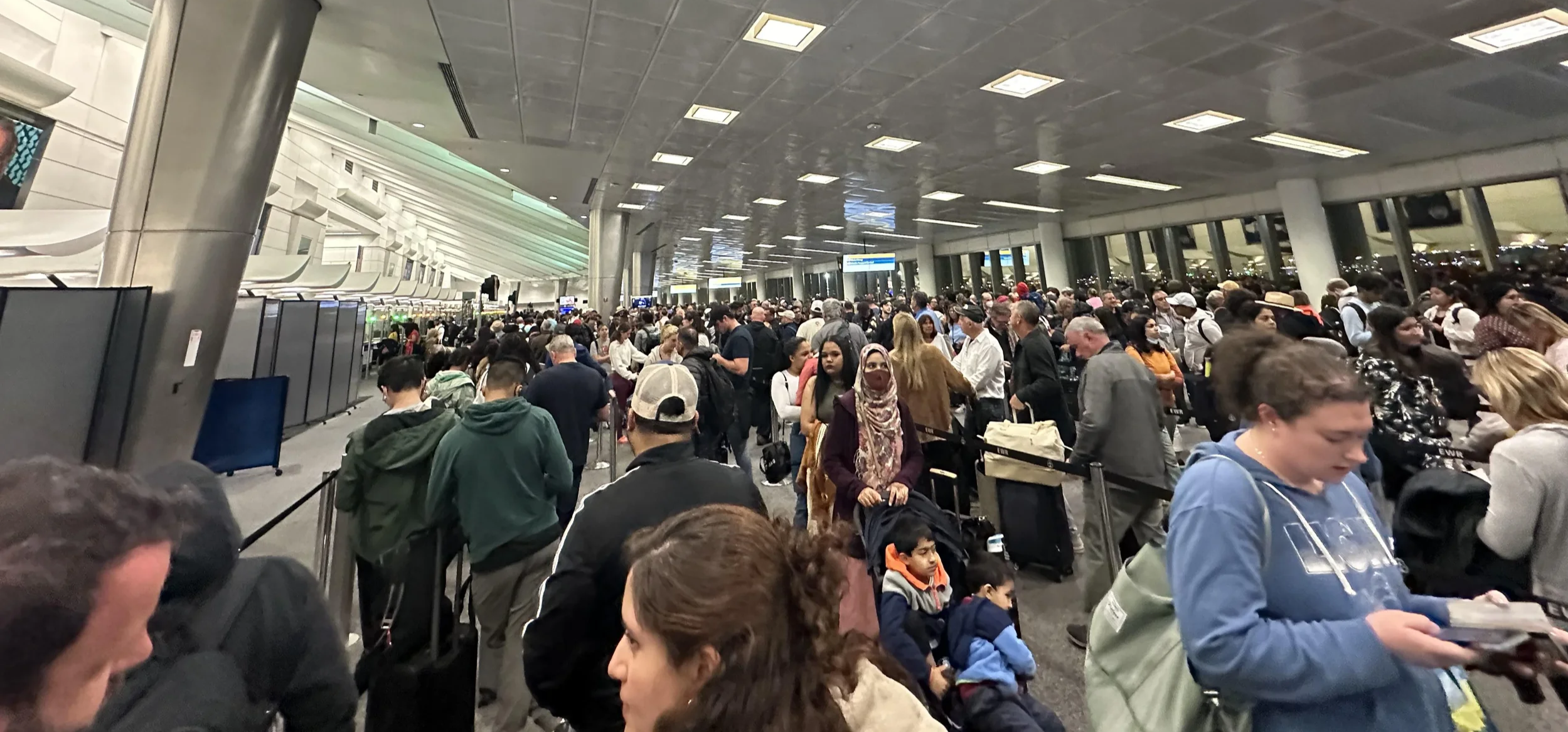
The slowest are often big U.S. hubs hit by high volume, staffing issues, and outdated systems. Newark Liberty ranks as the most stressful airport globally, with low satisfaction with customs and immigration, long security queues, and chaotic crowds.
Key reasons for delays include high passenger volumes, insufficient booth capacity, staffing shortages, manual processes, and poor layout. U.S. airports like JKK, LAX, and ORD often average twenty to thirty-plus minutes for immigration, while Asian leaders process in seconds.
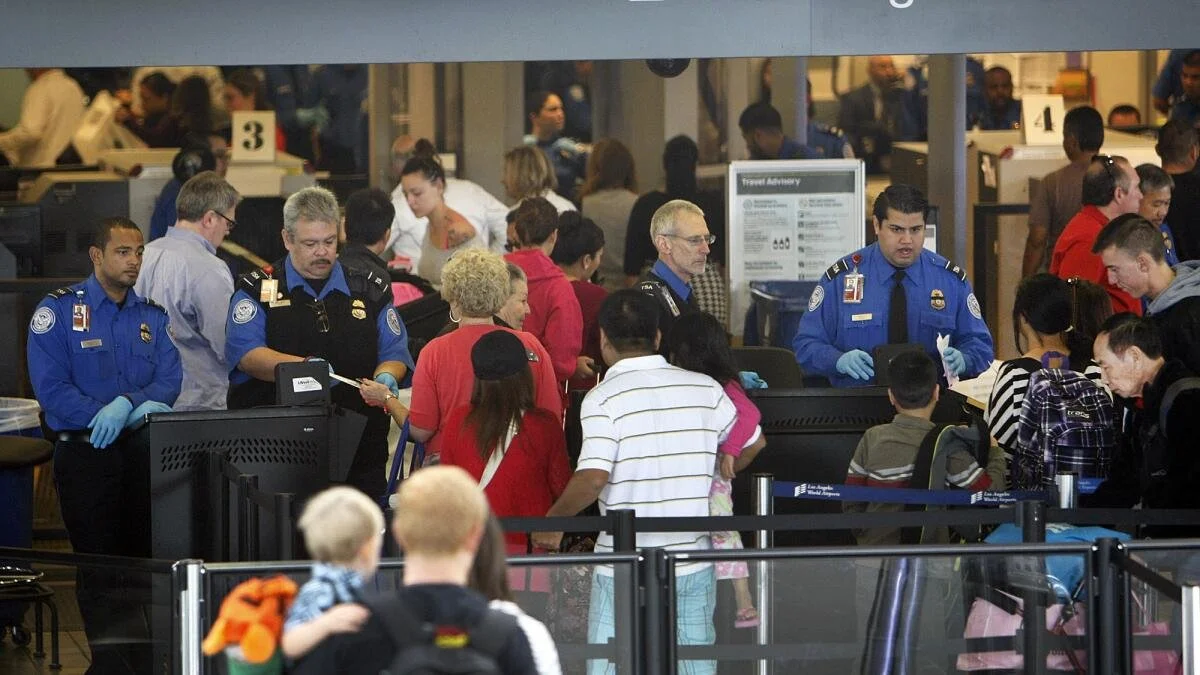
Slow Processing Times Create Crowds and Stress, Leading to Unruly Behaviour
Extended wait times at check-in, security checkpoints, and immigration create overcrowding and frustration. These delays amplify anxiety, fatigue, and irritation, triggering disruptive actions like verbal arguments or non-compliance.
This unruly behaviour compromises security by overwhelming staff and systems. Security personnel must redirect focus to de-escalating visible conflicts, leaving less capacity for behavioural monitoring or thorough inspections. Overcrowding also creates a tempting target, especially in less secure airside areas.
In the chaos, bad actors can mask themselves amid the agitation, avoiding scrutiny while frustrated passengers draw attention. Subtle signs of malice—nervous body language or unusual items—may go unnoticed as resources focus on overt disruptions.
Impolite or Burned-Out Staff Escalate Tensions, Amplifying Distractions
Impolite staff interactions—from workforce burnout, inadequate training, or cultural barriers—exacerbate passenger stress and turn minor grievances into incidents. When staff respond rudely or dismissively to complaints, frustrated travellers might shout or refuse to cooperate, drawing in law enforcement or additional personnel.
This heightens the risk of physical altercations and fosters mistrust, where passengers perceive security measures as adversarial rather than protective.
These escalations serve as smokescreens for bad actors. Overwhelmed or disengaged staff, experiencing emotional exhaustion from constant confrontations, have reduced situational awareness and miss behavioural anomalies that signal real threats.
Chronic poor facilitation also contributes to high staff turnover and inconsistent training, undermining the human element critical to spotting threats.
Broader Implications: A Vicious Cycle That Weakens Overall Security
Slow processing and impolite staff create a vicious cycle: inefficiencies breed frustration, rude interactions worsen disruptions, and chaos undermines security effectiveness.
This environment masks bad actors by normalising erratic behaviour and straining resources, potentially allowing breaches such as unauthorised access or overlooked prohibited items.
To mitigate this, invest in de-escalation training, real-time queue management, and empathetic customer service to maintain focus on core threats.
Ultimately, efficient facilitation isn't just about passenger comfort—it's a foundational layer of security that helps isolate and identify genuine risks amid the noise.