It's Time to Call Time on Drunken Passengers
Last week, walking through Manchester Airport, I couldn’t help but notice—again—how the bars were packed. People were knocking back pints, wine, and shots like it was a Saturday night, not 7 a.m. before a flight.
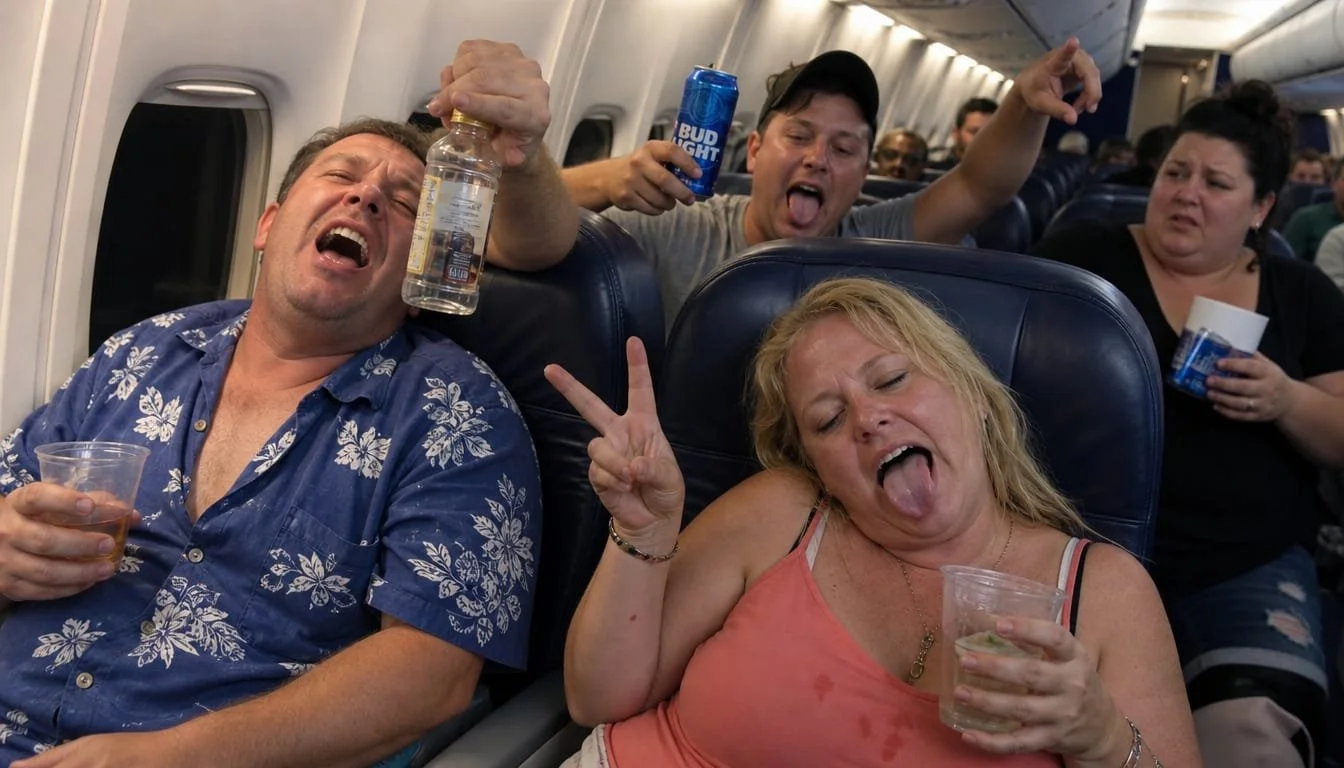
As someone who works in aviation security, these crowded bars make me wonder: what happens if there’s an emergency? Will these passengers be able to follow instructions? I’m not alone in my concern. Ryanair’s CEO, Michael O’Leary, is also calling for a ban on the early-morning airport pint, frustrated by flights becoming chaotic because some passengers can’t handle their booze.
This atmosphere speaks to a larger point: airports are a world apart, where the normal rules don’t seem to apply. It’s barely sunrise, boarding’s about to start, and the bar’s already hopping. Some places open their bars at 4 a.m., no questions asked. Whether you’re jet-lagged, nervous, or just bored, there’s always an excuse to grab a drink.
Sure, most travellers can handle a drink or two. But when airport drinking turns excessive, it endangers airline operations, crew safety, and the passenger experience. The core issue is the risk created by a minority misusing alcohol, making safe travel harder for everyone.
“The UK Civil Aviation Authority (CAA) reported a 600% increase in disruptive passenger incidents between 2012 and 2016, with most involving alcohol. ”
The Reasons for the Early Morning Drinking Culture
Several factors contribute to pre-flight drinking:
That “it’s five o’clock somewhere” attitude, mixed with holiday hype or the need for a little ‘liquid courage’ before flying, fuels this airport drinking culture.
Pre-flight binge drinking isn’t just a minor annoyance—it’s an escalating and dangerous problem that threatens passenger and crew safety, especially during delays.
In the US, a survey found that 39% of Americans who drink while travelling admit to drinking earlier in the day than usual on flying days. 27% have started drinking before noon, and 6% before 8 a.m. (higher among men).
Because of these trends, in the UK and Europe, budget carriers such as Ryanair have drawn particular attention to this issue, prompting O’Leary’s call for restrictions.
The scale of the problem is significant. The UK Civil Aviation Authority (CAA) reported a 600% increase in disruptive passenger incidents between 2012 and 2016, with most involving alcohol. A survey of cabin crew found more than half had witnessed disruptive drunken behaviour at UK airports, and over 25% reported incidents risking flight safety.
Six out of ten British air travellers have dealt with drunk passengers, and over half see this as a serious problem. Worldwide, intoxicated passengers disrupt thousands of flights, with incidents occurring frequently.
In the US, the Federal Aviation Administration (FAA) has logged thousands of unruly passenger reports annually, with alcohol a leading contributor in many cases. Incidents range from verbal abuse and sexual harassment of crew to physical violence, attempted door openings and window-smashing attempts. These often force emergency diversions, costing airlines tens of thousands of pounds/dollars per event in fuel, crew hours, passenger rebooking and fines.
Other issues include:
Crew strain: Cabin staff have reported abuse, including physical assaults such as kicking, punching and headbutting.
Passenger inconvenience: Delays, diversions and fear affect families, children and sober travellers.
Broader costs: Airlines incur financial losses while airports profit from bar sales. Some carriers have advocated for restrictions such as a two-drink limit or no service before 10 a.m.
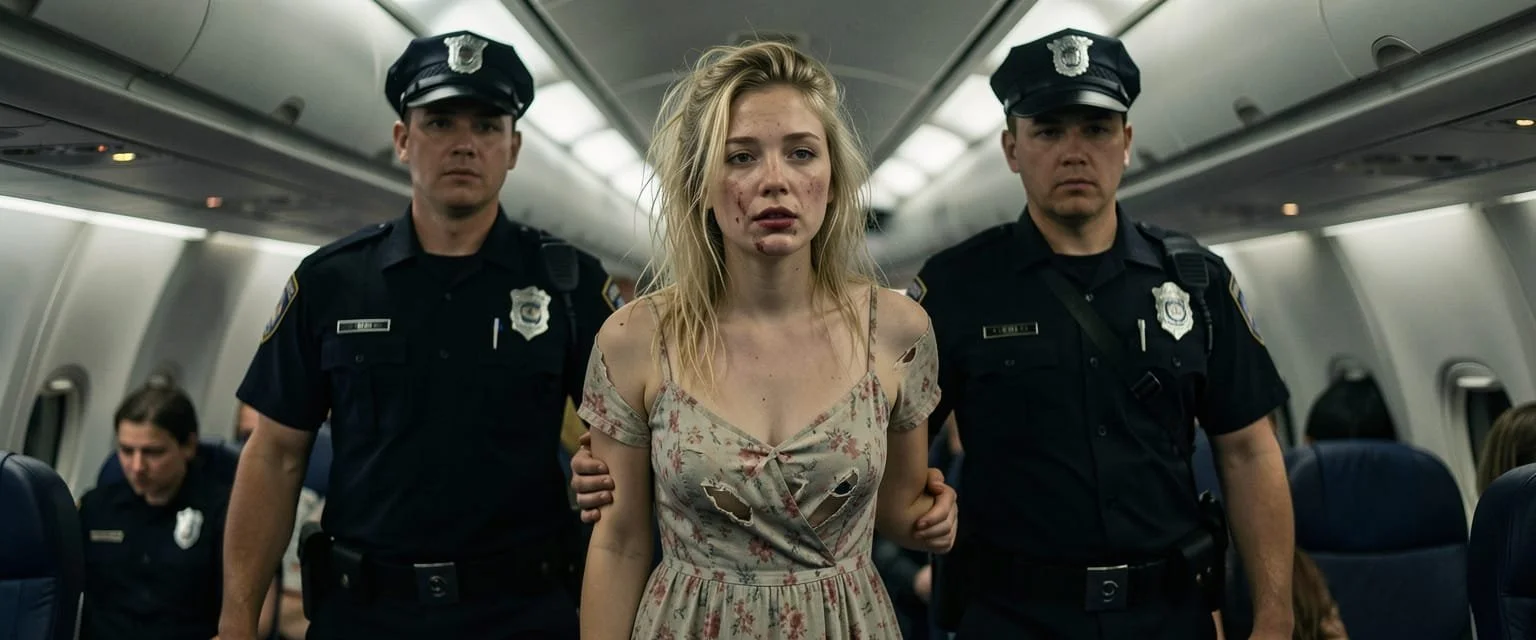
What is being done, and what could help?
Airlines such as Ryanair have lobbied for stricter airport policies, including limits on sales during delays. The FAA has urged airports to monitor the alcohol and intoxication levels of passengers. Some UK initiatives include the “One Too Many” campaign.
Potential solutions include:
Earlier cut-off times or drink limits at airport bars.
Improved staff training to identify and deny service to intoxicated passengers before boarding.
Robust management support for staff who take action against drunk, disruptive passengers.
Stronger enforcement of laws against being intoxicated on an aircraft.
Public awareness campaigns.
It’s Time to Call Time
Ultimately, it’s not the moderate drinkers we need to worry about. Instead, it’s the small group who go overboard and ruin it for everyone else, especially when lives are literally at stake.
With all this in mind, isn’t it time we finally take action and say enough is enough?
Airport drinking might seem harmless or just part of travel, but safety must come first. The evidence shows that excessive drinking is a significant risk. Airports, airlines, and regulators should prioritise sensible limits so everyone reaches their destination safely.